
 When it comes to healing, it doesn’t seem obvious that we resist change. After all, we are usually suffering with some sort of condition that we really do want to change. In general, we simply want it to go away so we’ll feel better. Oftentimes we believe our chronic disease or condition is something that is wrong or bad, something that is somehow separate from us, and something that should be, and can be, gotten rid of without affecting the rest of who we are. Yes, we want the condition to change (go away), but we often do not acknowledge the connection between the condition and the beliefs we hold about and toward the condition. In other words, we do not realize that our relationship with the condition is an integral part of the condition itself. We actually believe this separate “thing” can be healed without changing anything else about us. Indeed, this is the very premise upon which western medicine is based as well as several alternative therapies.
Healing Involves Change
Healing at a deeper level involves change on every level of our being. Many chronic conditions and/or so-called incurable diseases (autoimmune diseases, neurological diseases, gastrointestinal issues, cancer, hormonal imbalances, mental diseases such as depression, anxiety, or bipolar disorder, etc.) can and do resolve themselves through the process of Healing as I describe it. However, major shifts such as these involve change that extends well beyond the symptoms going away and a doctor declaring us “cured” (or claiming we must have been misdiagnosed in the first place). These changes are not optional, but are rather part of the Healing process itself.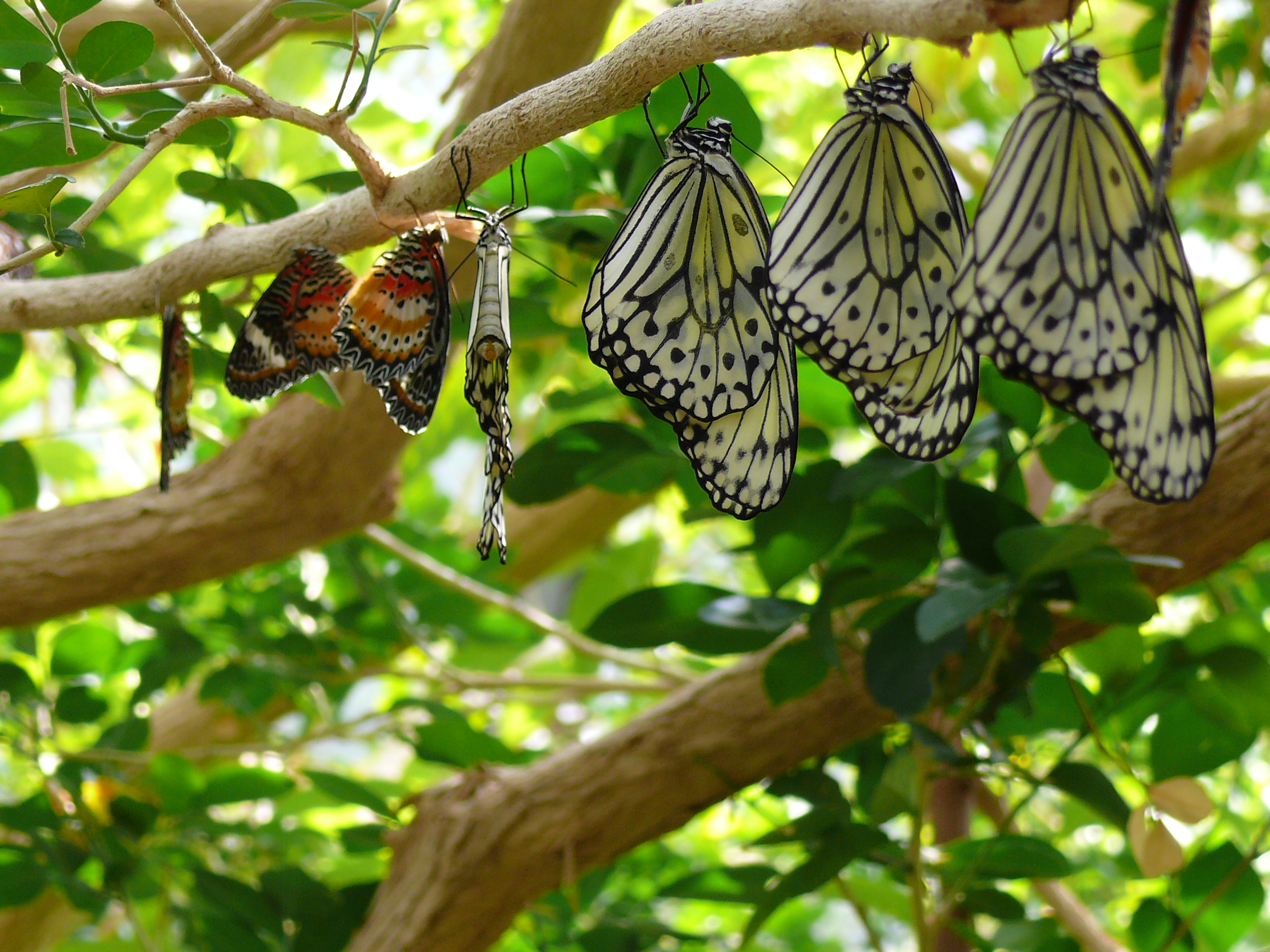 When we are in the cycle of suffering, we think our suffering is being caused by the condition we are facing. Therefore, we think if we get rid of the condition, we will stop suffering. Perhaps we go in for surgery and have a cancerous tumor removed. Maybe we have our knee replaced and the pain we had before is gone. Perhaps we leave our stressful job or our marriage and feel a huge sense of relief. In the traditional sense, many would call these examples of healing. The advances in western medicine are absolutely incredible and invaluable in our lives. But simply having a knee replacement is, in and of itself, not Healing in the sense I am speaking of here.
In my experience, both with myself and with my clients, even when a condition is “cured” as in the examples above, if there is no other corresponding shift on other levels of being, the suffering will continue. We simply refocus our attention on another condition or issue that is “not okay” (either inside or outside of us) and continue to be enmeshed in the cycle of suffering.
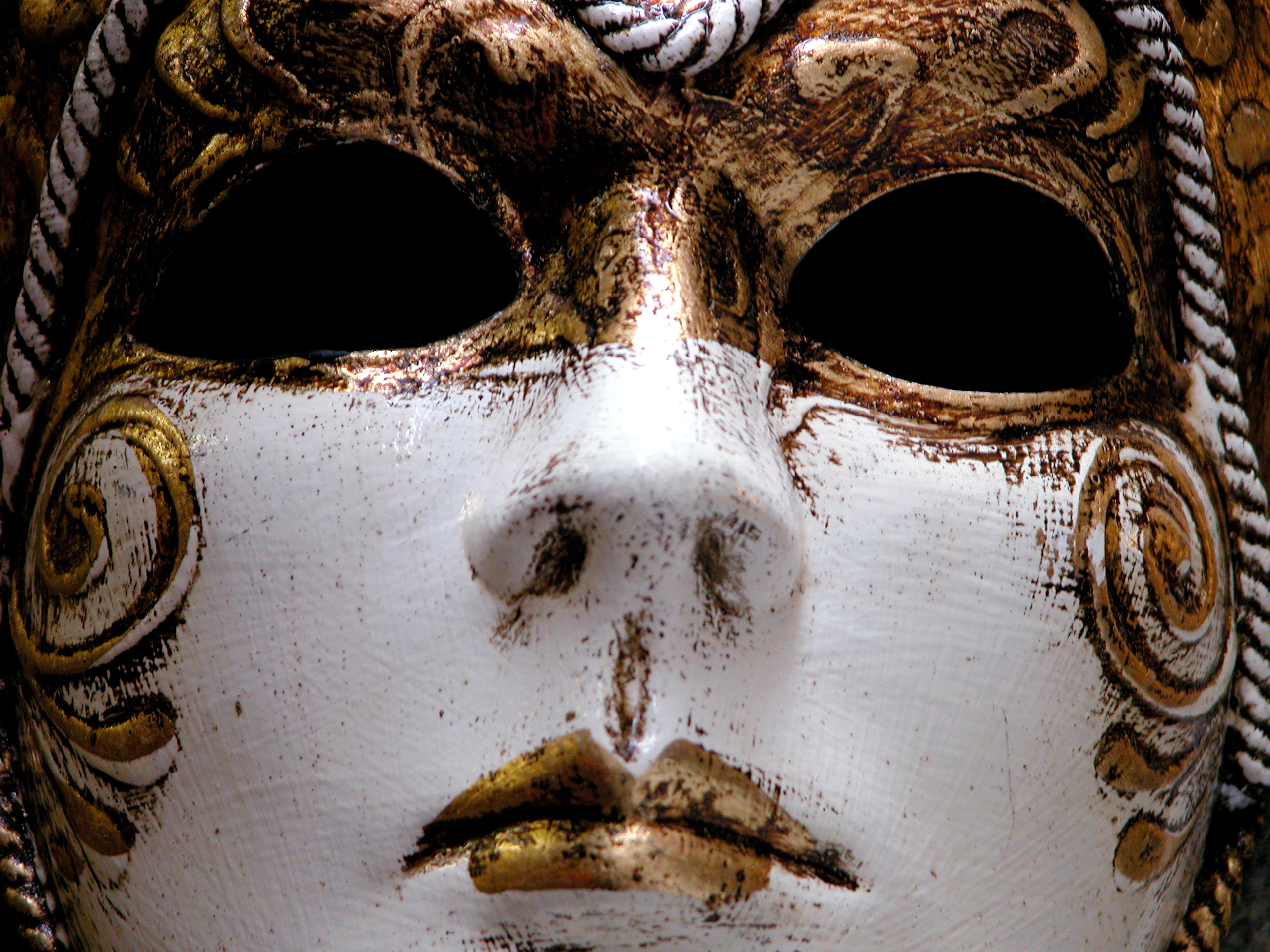 On the other hand, when we engage in the process of Healing on a deeper level, real change is inevitable. One of the most significant of these changes is a perspective shift about and toward the condition itself. As we begin to experience and embody that aspect of us that is other than suffering, we realize that we Heal through the condition rather than from the condition. We see the condition itself as our means of Healing rather than that which we need to get rid of in order to Heal. This perspective shift in itself can end the suffering (i.e., the resistance) around the condition. But in order for that shift to occur in a truly embodied way, many other changes on many levels must also occur. We simply do not get to keep our current belief structures and worldviews (our ego as it is constructed now) and Heal in this way.
This process is absolutely terrifying to most of us because it feels as if we are giving up who we are (and how we think the world operates) at a fundamental level. And indeed, this is true. It is perhaps one of the most difficult aspects for us to accept and embrace on our Healing journeys. Most of us want to keep our current perspectives and beliefs and simply get rid of the condition. In other words, we don’t want to change. However, the kind of Healing I’m talking about involves change, and there is no way out of it.
Part of the Healing process is learning to embrace change and recognizing what that means within ourselves. It can be a very scary prospect. But fear is part of the process too. Indeed, the fear itself can become a path and doorway to true Healing.
In Gratitude & Love,




 You probably know by now the power of gratitude. Everything seems lovely when you are enveloped in gratitude. You may even keep a gratitude journal or have engaged in other practices to help you feel gratitude every day. If you’ve committed to any of these practices and you’re like many people, you’re probably noticing significant improvement in your overall sense of well-being. After all, consistently feeling and experiencing gratitude is life changing!

 When you are in crisis, the very idea that a gift lies within the experience can seem absurd or even offensive. What is the gift in receiving a life-threatening or debilitating diagnosis? How can there be a gift within being suicidally depressed or the experience of uncontrollable panic attacks? When you are the one in crisis, I have personally found that to be the most difficult time to see the gift. Of course, it is much easier to see the gift as an outsider. In fact, you will no doubt have at least a few people trying to comfort you with age-old clichés such as, “Well, you’re learning something, aren’t you?” or “Every cloud has a silver lining,” or “Don’t forget, everything happens for a reason.” In the midst of a healing crisis, not only can these tired clichés utterly fail to comfort us, often they enrage us because we feel completely unseen in the immensity of our pain by those whose profess to love us.


 myself for no reason other than I am committed to living in love, or I could choose to continue to hate myself. It really was that simple. And, choosing love in that moment was quite possibly the hardest choice I have ever made.
 others. I also know that my true heart’s desire is simply to give and receive love more and more fully, When I can face head on what I am most ashamed of in myself and still choose love, I can face anything in anyone else and choose love with them as well. For when I am totally honest, I notice that I carry all those qualities that I have condemned in others within myself. This, I believe, is one of the most important keys to healing ourselves and our planet.

 — of my passion. I keep asking myself again and again, “What feeling do I most want to experience and wish with all my heart others could experience?” This is my passion! I let it fill me to the brim! Clearly, my passion isn’t just about me feeling good. I want to share it. I have found that the desire to share it — to express it — is inherent in the passion itself. And, what I’ve come to see now is that the way to share it is to BE it. When my whole being vibrates with my passion, others will begin to resonate (in their own unique way) with those qualities. This is how I can share my passion with others. Perhaps that’s at least partly why Gandhi said, “Be the change you wish to see in the world.” And so now it seems my life (and my challenge) is about bringing that passion into all that I do — for myself, and for all those whose lives I touch.


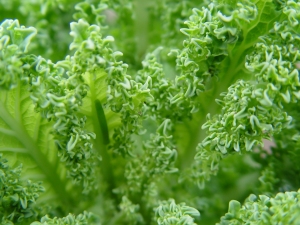 with different nutritional approaches and actually became quite obsessed with “eating right.” I was approaching it from a fear-based perspective, and I can see now that my beliefs/intentions were in opposition to my health. Even though I was eating foods like veggies and such, I actually became less and less healthy physically. It became clear to me that my belief structures and intentions were affecting my ability to heal even though I was eating nutritious foods. (And, of course, there are probably other factors as well.) Yet, at the same time, imagine if I had approached eating with the same fear-based perspective but instead ate donuts and Doritos all day long. I would imagine that would have been even worse on my physical body because the nutritional and energetic content of the food does actually make a difference as well. Other factors related to intention would be how the food was grown, who was growing it and with what intention, who harvests the food and with what intentions, who handled the food on the way to the store, what the atmosphere was like in the store, etc. All of this, along with my own beliefs/intentions, combines into a complex package of what makes up that food and how it affects me.
 Penny Heiple, Evolutionary Healing
